





What is CBD and How it works
Introduction
What is CBD?
Differences between CBD and THC
What is the endocannabinoid system?
How to incorporate cbd in the daily routine?
Potential benefits of CBD
Introduction
Interest in natural compounds that can improve well-being has grown significantly in recent years, and one of the most prominent is cannabidiol (CBD). This compound, extracted from the cannabis plant, has captured the attention of researchers and health professionals because of its potential to positively influence various processes in the body.
However, behind its many therapeutic applications, there is a complex biochemical interaction that explains how CBD can impact the body. What exactly does CBD do in the body? What are its potential benefits? How to incorporate it into your daily routine? In this guide you will learn all the details about this phytocannabinoid.
What is CBD?
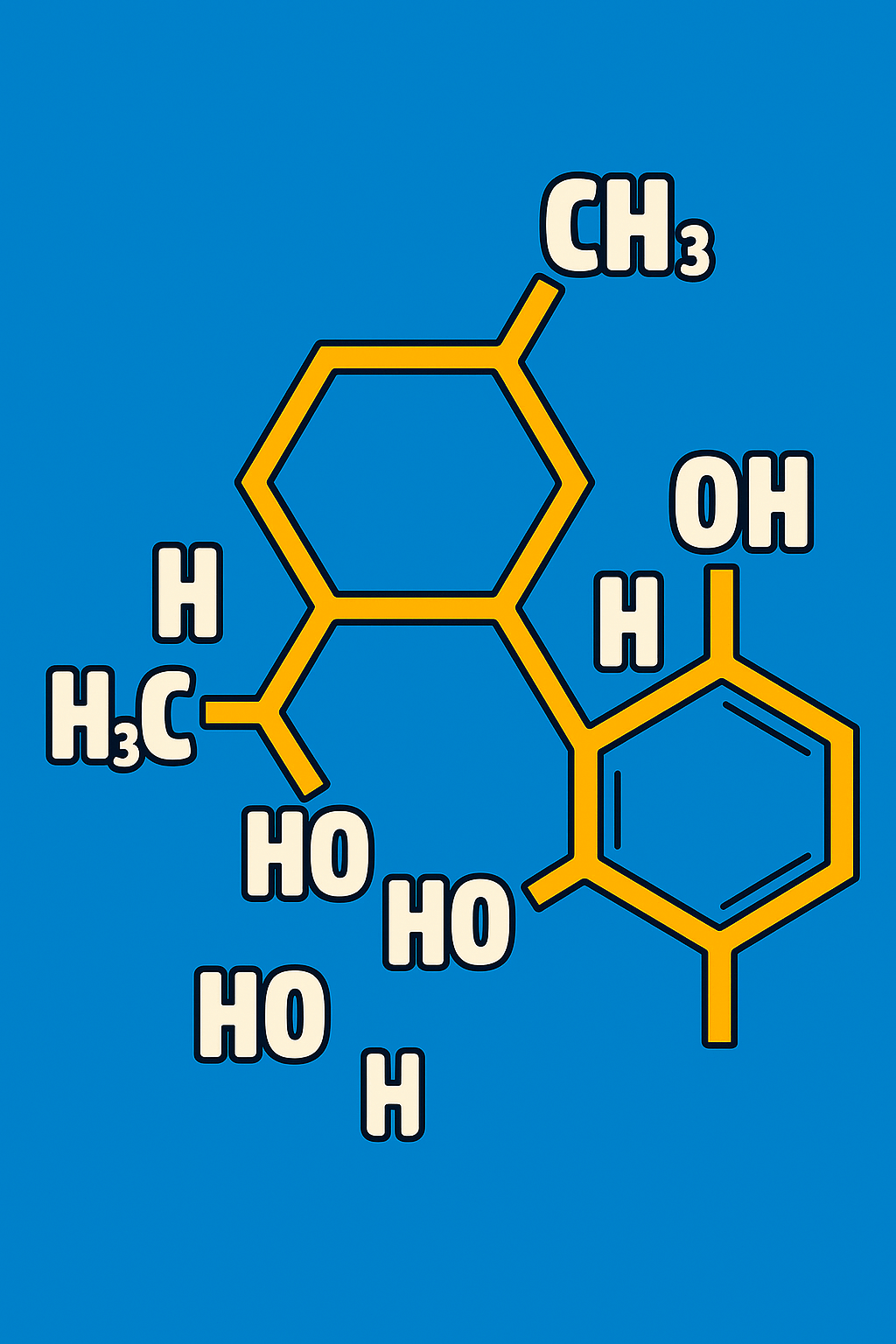
CBD is a phytocannabinoid, i.e. a natural compound derived from the cannabis plant. It is mainly found in the flowers and leaves of the plant, where it is extracted and converted into oils, tinctures, capsules and other products. This compound has been the subject of numerous studies that have explored its action on various physiological processes, from pain regulation to inflammation control and immune system balance.
Key differences between CBD and thc
Psychoactive effects
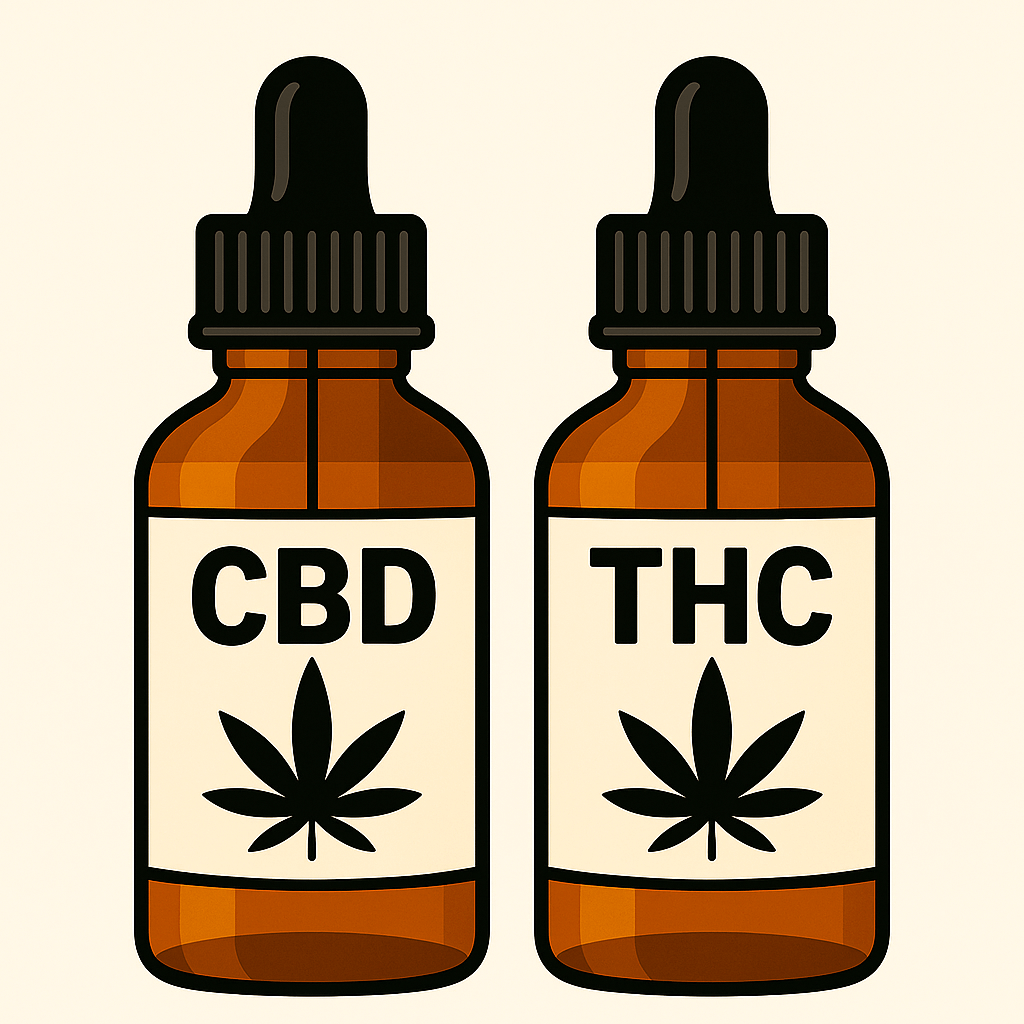
THC is responsible for the psychoactive effects associated with cannabis use, such as euphoria and altered perception. In contrast, CBD does not produce these effects, making it an attractive option for those seeking its potential benefits without experiencing changes in their state of consciousness.
Interaction with receptors
THC interacts mainly with CB1 receptors located in the central nervous system, which explains its psychoactive effects. In contrast, CBD has a more modulatory action, acting on CB1 and CB2 receptors indirectly, allowing it to influence processes such as inflammation and pain without altering the mind. These names and receptors may sound confusing, but now we will see what they mean and the endocannabinoid system in which they are framed.
What is the endocannabinoid system?
The endocannabinoid system (ECS) is a network of receptors, enzymes and compounds produced by the body that help maintain internal balance, known as homeostasis. Discovered in the 1990s, the ECS influences key functions such as pain, inflammation, mood, appetite and the immune system. This system acts as a “master regulator” that adjusts the body’s response to internal and external changes to keep it in balance. Many of these receptors have names that identify them and allow us to understand the interaction of cannabinoids with them. As mentioned earlier, CBD tends to interact primarily with CB1 and CB2 receptors (Blebea et al., 2024).
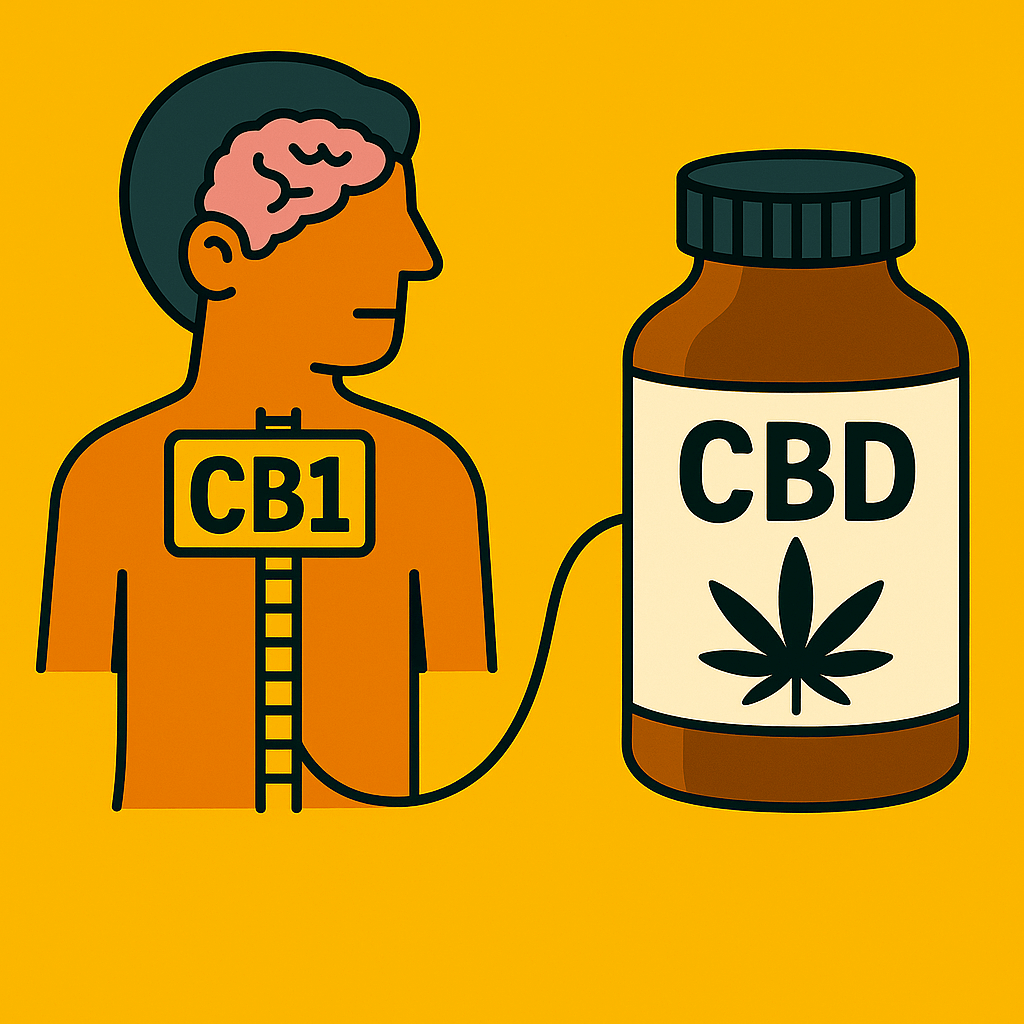
CB1 receptors
These receptors are found primarily in the central nervous system, including the brain and spinal cord. They are involved in the modulation of pain, appetite, memory and mood. When activated, they can influence pain perception and emotional response.
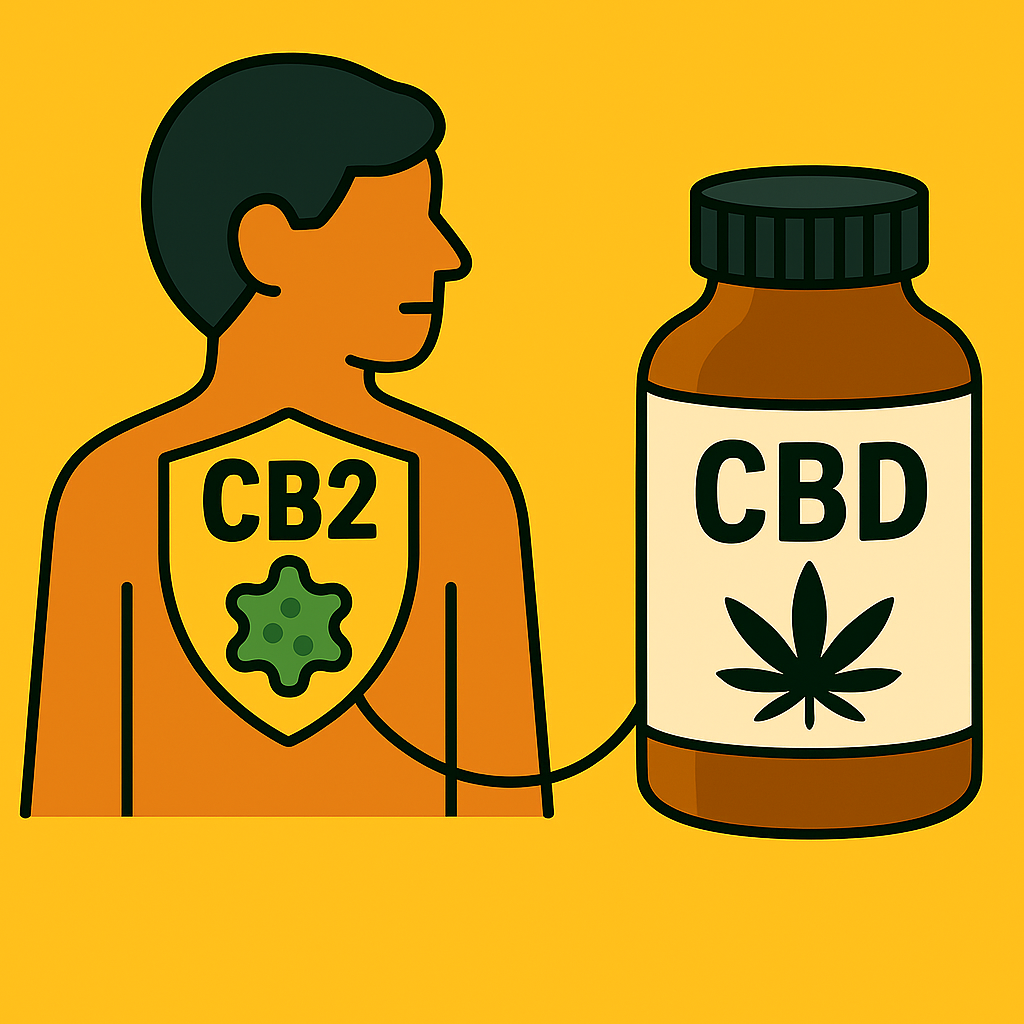
CB2 Receptors
Present in peripheral tissues, especially in immune cells, spleen and digestive system. CB2 receptors regulate inflammatory processes and immune responses, helping to reduce inflammation and protect the body.
How CBD interacts with the endocannabinoid system
CBD does not bind directly to CB1 or CB2 receptors, but modulates their activity. It acts as a partial inverse agonist, which means that it can reduce the overstimulation of these receptors when there is excess endocannabinoid activity. This ability explains why CBD can help control pain and inflammation. CBD also interacts with other signaling systems in the body, including:
These receptors, also known as capsaicin receptors, are involved in the regulation of pain, inflammation and body temperature. When CBD activates these receptors, it can help reduce pain and inflammation (Blebea et al., 2024).
These receptors are involved in mood control and stress response. The interaction of CBD with these receptors may explain its potential to reduce anxiety and improve emotional well-being (Blebea et al., 2024).
These receptors, known for their role in lipid metabolism and inflammation, are activated by CBD to modulate metabolic processes and reduce inflammation at the cellular level (Blebea et al., 2024).
CBD has shown great potential to relieve pain and reduce inflammation in different conditions. By interacting with CB2 receptors of the endocannabinoid system and modulating TRPV1 (vanilloid) receptors, CBD could decrease pain perception and regulate inflammation. This property is especially useful for people suffering from injuries or chronic inflammatory disorders (Blebea et al., 2024) (Atalay et al., 2019).
Research has investigated whether CBD can help reduce anxiety and stress by acting on serotonin (5-HT1A) receptors, which regulate mood. Current studies suggest that this action could be useful for people with disorders such as anxiety- and stress-related, however more research is needed to confirm results in prolonged treatments (Blessing et al., 2015)
It has also been considered that CBD could improve sleep quality by modulating neurotransmitters such as adenosine, which regulates the sleep-wake cycle, and GABA, which promotes relaxation. These effects could favor a longer and more restful rest, something especially relevant for people with demanding or high-performance routines (Rojas-Valverde, 2021).
CBD may also contribute to improving digestive health by modulating intestinal inflammation and reducing pain associated with gastrointestinal disorders. Preliminary studies suggest that its action on CB2 receptors and its ability to inhibit the release of molecules that cause inflammation could help treat specific conditions of the digestive system. With its potential to reduce inflammation and relieve abdominal pain, CBD could help restore intestinal balance and improve the quality of life for those suffering from these conditions (Blebea et al., 2024).
Antioxidants are substances that help prevent damage caused by free radicals, which are molecules that can damage cells and accelerate aging. Some studies indicate that CBD may activate a pathway called Nrf2, which controls the production of antioxidant enzymes. These enzymes could help the body better defend against cell damage and reduce the risk of aging-related diseases. Although these findings are promising, more research is still needed to confirm these effects and understand their long-term impact (Atalay et al., 2019).
Topically applied CBD can help reduce inflammation and redness of the skin, making it useful for conditions such as acne, dermatitis, and other skin conditions. Also, its antioxidant properties have the potential to protect the skin against environmental damage and signs of premature aging (Atalay et al., 2019) (Tijani et al., 2021). In addition to the effects we already saw, let’s look at some of those that have been studied specifically on the skin.
CBD has the potential to improve skin hydration by stimulating the production of aquaporins, which facilitate water transport within skin cells. In addition, its regenerative properties may promote wound healing, helping to keep the skin smoother, more elastic and healthier (Ikarashi et al., 2021).
Some studies have found that CBD has antimicrobial properties on the skin, which means it may help prevent the growth of harmful bacteria, such as Cutibacterium acnes, which is linked to infections and skin problems such as acne. In addition, CBD could reduce the inflammation that accompanies various skin conditions. This combination of antimicrobial and anti-inflammatory effects has researchers exploring whether CBD could be useful not only for acne, but also for other skin conditions. Although initial results are promising, more research is still needed to confirm these findings (Peyravian et al., 2022).
Research is underway to investigate whether CBD can improve wound healing due to its ability to interact with CB2 receptors, which are involved in the regulation of inflammation and tissue repair. Some studies suggest that the use of cannabinoids may accelerate the wound closure process, reduce initial inflammation, and decrease excessive scar formation (Parikh et al., 2024). Although these findings are promising, more research is still needed to confirm these effects and better understand their impact on different types of wounds.
These receptors, also known as capsaicin receptors, are involved in the regulation of pain, inflammation and body temperature. When CBD activates these receptors, it can help reduce pain and inflammation (Blebea et al., 2024).
These receptors are involved in mood control and stress response. The interaction of CBD with these receptors may explain its potential to reduce anxiety and improve emotional well-being (Blebea et al., 2024).
These receptors, known for their role in lipid metabolism and inflammation, are activated by CBD to modulate metabolic processes and reduce inflammation at the cellular level (Blebea et al., 2024).
How to incorporate CBD into your daily routine?
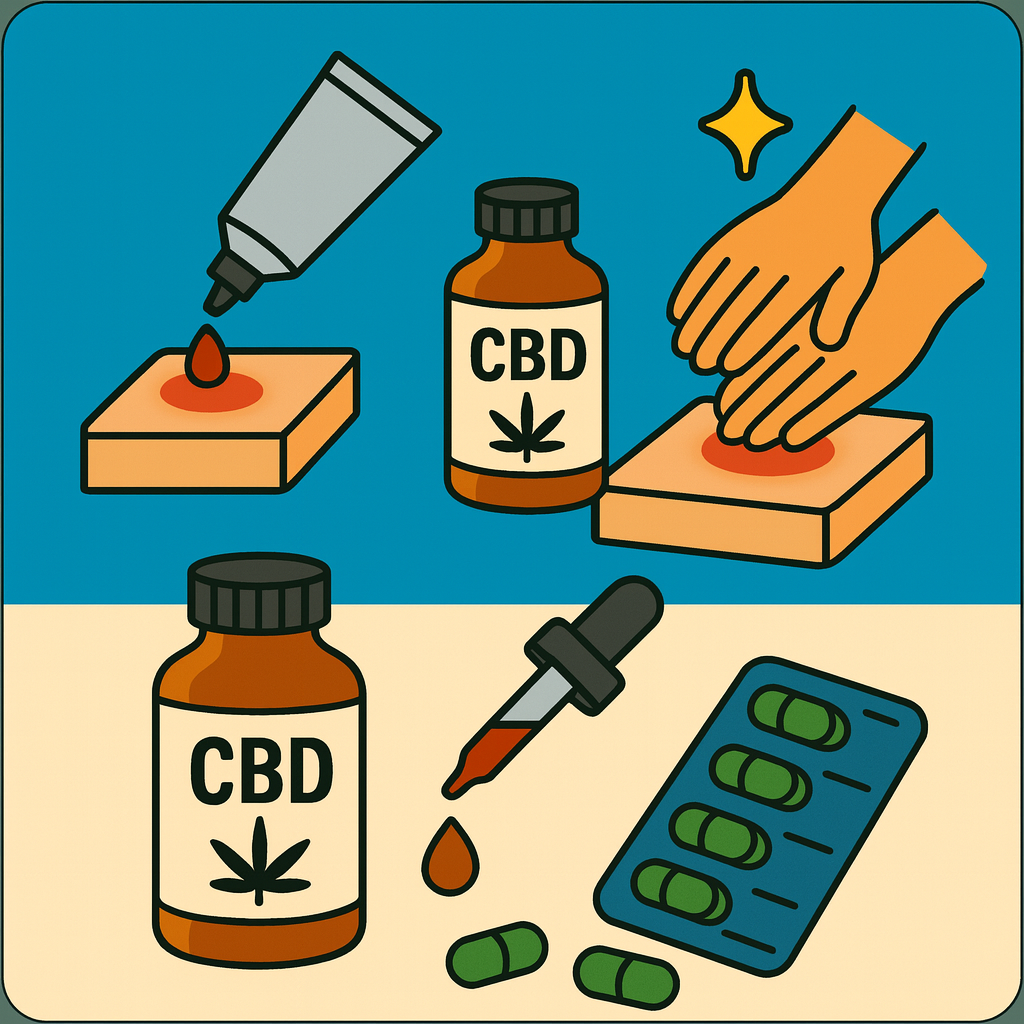
Topical use: creams, oils and salves
Topical use of CBD is ideal for localized skin conditions, as it acts directly on the applied area without passing through the digestive system. CBD-enriched creams and balms, as well as CBD extract oils used in massage, can offer targeted relief and a relaxing skin care experience.
Oral consumption: oils, capsules and more
CBD can be used orally through sublingual oils, capsules, vaporization and edibles. This form of administration allows for systemic absorption that can be beneficial in treating internal conditions. It is important to note that this form is not legal in all countries. For example, in Spain, the only legal and accepted use is topical use. Check the regulations in your country or region before deciding if this form of consumption works for you.
Potential Benefits of CBD: What the Science Says
Cannabidiol (CBD), a non-psychoactive compound derived from cannabis, has aroused great interest due to its potential to improve health in several areas. Its action on the endocannabinoid system and other molecular mechanisms offers multiple benefits that are being supported by scientific research. Below, we explore some of the most outstanding effects of CBD.
CBD has shown great potential to relieve pain and reduce inflammation in different conditions. By interacting with CB2 receptors of the endocannabinoid system and modulating TRPV1 (vanilloid) receptors, CBD could decrease pain perception and regulate inflammation. This property is especially useful for people suffering from injuries or chronic inflammatory disorders (Blebea et al., 2024) (Atalay et al., 2019).
Research has investigated whether CBD can help reduce anxiety and stress by acting on serotonin (5-HT1A) receptors, which regulate mood. Current studies suggest that this action could be useful for people with disorders such as anxiety- and stress-related, however more research is needed to confirm the results in prolonged treatments (Blessing et al., 2015)
It has also been considered that CBD could improve sleep quality by modulating neurotransmitters such as adenosine, which regulates the sleep-wake cycle, and GABA, which promotes relaxation. These effects could favor a longer and more restful rest, something especially relevant for people with demanding or high-performance routines (Rojas-Valverde, 2021).
CBD may also contribute to improving digestive health by modulating intestinal inflammation and reducing pain associated with gastrointestinal disorders. Preliminary studies suggest that its action on CB2 receptors and its ability to inhibit the release of molecules that cause inflammation could help treat specific conditions of the digestive system. With its potential to reduce inflammation and relieve abdominal pain, CBD could help restore intestinal balance and improve the quality of life for those suffering from these conditions (Blebea et al., 2024).
Antioxidants are substances that help prevent damage caused by free radicals, which are molecules that can damage cells and accelerate aging. Some studies indicate that CBD may activate a pathway called Nrf2, which controls the production of antioxidant enzymes. These enzymes could help the body better defend against cell damage and reduce the risk of aging-related diseases. Although these findings are promising, more research is still needed to confirm these effects and understand their long-term impact (Atalay et al., 2019).
Topically applied CBD can help reduce inflammation and redness of the skin, making it useful for conditions such as acne, dermatitis, and other skin conditions. Also, its antioxidant properties have the potential to protect the skin against environmental damage and signs of premature aging (Atalay et al., 2019) (Tijani et al., 2021). In addition to the effects we already saw, let’s look at some of those that have been studied specifically on the skin.
CBD has the potential to improve skin hydration by stimulating the production of aquaporins, which facilitate water transport within skin cells. In addition, its regenerative properties may promote wound healing, helping to keep the skin smoother, more elastic and healthier (Ikarashi et al., 2021).
Some studies have found that CBD has antimicrobial properties on the skin, which means it may help prevent the growth of harmful bacteria, such as Cutibacterium acnes, which is linked to infections and skin problems such as acne. In addition, CBD could reduce the inflammation that accompanies various skin conditions. This combination of antimicrobial and anti-inflammatory effects has researchers exploring whether CBD could be useful not only for acne, but also for other skin conditions. Although initial results are promising, more research is still needed to confirm these findings (Peyravian et al., 2022).
Research is underway to investigate whether CBD can improve wound healing due to its ability to interact with CB2 receptors, which are involved in the regulation of inflammation and tissue repair. Some studies suggest that the use of cannabinoids may accelerate the wound closure process, reduce initial inflammation, and decrease excessive scar formation (Parikh et al., 2024). Although these findings are promising, more research is still needed to confirm these effects and better understand their impact on different types of wounds.

David Vazquez
Head Ecommerce CBD Sector for over 10 years

References
- Atalay, S., Jarocka-Karpowicz, I., & Skrzydlewska, E. (2019). Antioxidative and Anti-Inflammatory Properties of Cannabidiol. Antioxidants (Basel, Switzerland), 9(1), 21. https://doi.org/10.3390/antiox9010021
- Blebea, N. M., Pricopie, A. I., Vlad, R. A., & Hancu, G. (2024). Phytocannabinoids: Exploring Pharmacological Profiles and Their Impact on Therapeutic Use. International journal of molecular sciences, 25(8), 4204. https://doi.org/10.3390/ijms25084204
- Blessing, E. M., Steenkamp, M. M., Manzanares, J., & Marmar, C. R. (2015). Cannabidiol as a Potential Treatment for Anxiety Disorders. Neurotherapeutics : the journal of the American Society for Experimental NeuroTherapeutics, 12(4), 825-836. https://doi.org/10.1007/s13311-015-0387-1
- Ikarashi, N., Shiseki, M., Yoshida, R., Tabata, K., Kimura, R., Watanabe, T., Kon, R., Sakai, H., & Kamei, J. (2021). Cannabidiol Application Increases Cutaneous Aquaporin-3 and Exerts a Skin Moisturizing Effect. Pharmaceuticals (Basel, Switzerland), 14(9), 879. https://doi.org/10.3390/ph14090879
- Palmieri, B., Laurino, C., & Vadalà, M. (2019). A therapeutic effect of cbd-enriched ointment in inflammatory skin diseases and cutaneous scars. La Clinica terapeutica, 170(2), e93-e99. https://doi.org/10.7417/CT.2019.2116
- Parikh, A. C., Jeffery, C. S., Sandhu, Z., Brownlee, B. P., Queimado, L., & Mims, M. M. (2024). The effect of cannabinoids on wound healing: A review. Health science reports, 7(2), e1908. https://doi.org/10.1002/hsr2.1908
- Peyravian, N., Deo, S., Daunert, S., & Jimenez, J. J. (2022). The Anti-Inflammatory Effects of Cannabidiol (CBD) on Acne. Journal of inflammation research, 15, 2795-2801. https://doi.org/10.2147/JIR.S355489
- Tijani, A. O., Thakur, D., Mishra, D., Frempong, D., Chukwunyere, U. I., & Puri, A. (2021). Delivering therapeutic cannabinoids via skin: Current state and future perspectives. Journal of Controlled Release, 334, 427-451. https://doi.org/10.1016/j.jconrel.2021.05.005
DISCLAIMER: SOUTHERN PHARMA SPAIN S.L. assumes no liability for the use by third parties of the content of the website and may exercise all civil or criminal actions that apply in case of infringement of these rights by the user. It is absolutely forbidden to use the website or any of its elements for illicit purposes. The benefits and properties of cbd that could be read on the website www.gorillagrillz.com , in no case are attributed to the products sold on the website. CBD products are not medicines and should not replace treatments with them. What you can read on our website are not official medical statements but references to preclinical studies. If you have any doubts, you can consult with a health professional. We remind you that in Spain CBD products are for topical use. All products have THC analysis<0.2% according to the royal decree 1729/1999.